Solar Energy Output: How Much Electricity Does a Solar Panel Produce
Media Source
Jan 08, 2026
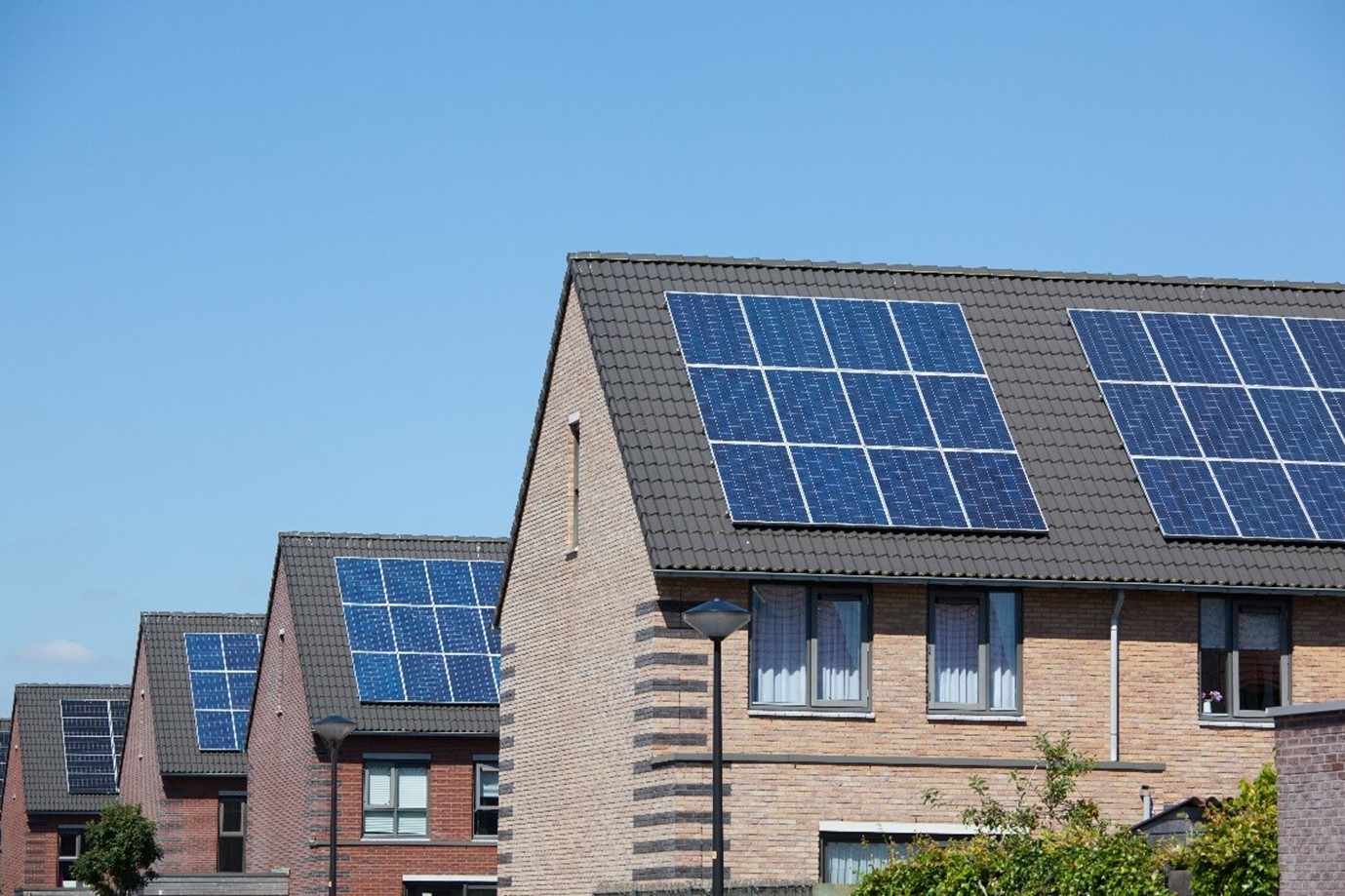
Solar energy is a renewable energy source that captures the sun's power to generate electricity with higher efficiency. The process of producing electricity from solar energy is both fascinating and innovative. Solar panels or photovoltaic cells capture sunlight and convert it into direct current (DC) electricity.
As we continue to explore alternative energy sources, solar energy and solar cell have become increasingly popular as a reliable and cost-effective solution for electricity production. This electricity is generated by solar cell and then passes through an inverter that converts it into alternating current (AC), which we use on a day-to-day basis in our homes. The thing about solar energy is that it produces no emissions, making it a clean and sustainable energy source.
Continue reading to know more about solar panel efficiency and ratings, factors affecting solar panel output, and calculation of solar energy production. We will also cover how much electricity a solar panel produces.
Solar Panel Efficiency and Ratings
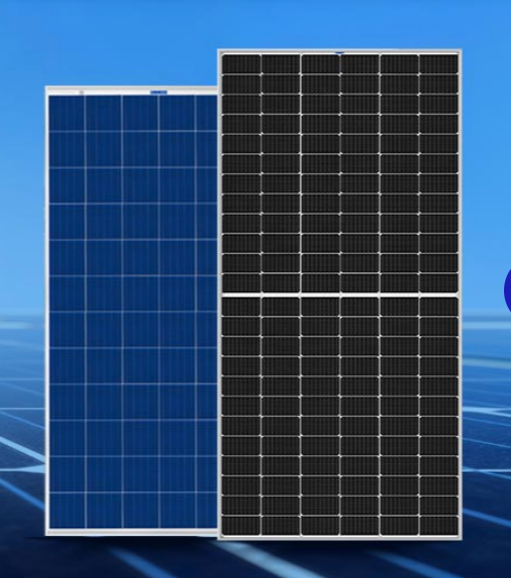
Solar panel dimensions, efficiency, and ratings are three important factors to consider when choosing a solar panel system for your home or business. This can help maximise your energy production while protecting your investment. The efficiency of a solar panel defines how much energy it can convert from sunlight into usable electricity. Higher-efficiency panels are typically more expensive but can produce more electricity in less space, making them a wise investment in the long run. Meanwhile, ratings indicate how well the panel can withstand various environmental factors, such as wind, snow, and hail. Solar panel dimensions are also essential, as they determine the standard solar panel size and shape.
Factors Affecting Solar Panel Output
- Sunlight Intensity and Angle:Solar panels need direct sunlight to generate electricity, so the angle and intensity of the sun hitting the panels affect their output. A higher angle and greater intensity of sunlight results in higher output.
- Temperature:Solar panels are less efficient at higher temperatures, which can reduce their output. Therefore, it is essential to choose panels that can withstand high temperatures and be installed in a way that maximises airflow to prevent overheating.
- Dirt and Debris:Dirt, dust, and debris can accumulate on solar panels and reduce output. Regular cleaning is necessary to ensure maximum efficiency.
- Type and Quality of Solar Panels:The type and quality of solar panels can affect their output and energy usage. High-efficiency panels that use advanced technology can generate more power while consuming less energy than older or lower-quality panels.
- Geographic Location:The amount of sunlight that reaches your solar panels depends on your geographic location, time of year and time of day. Areas with more sunlight will generate more electricity than those with less.
- Panel Orientation:The orientation of your solar panels can affect their output. Panels facing south will receive the most sunlight, while those facing north will receive the least. The angle of the panels can also affect their output, with steeper angles generating more electricity in winter and shallower angles generating more in summer.
Maintenance:Regular maintenance, including cleaning, inspection, and repair, is essential to ensure that your solar panels are functioning at their optimal level and generating the maximum amount of electricity possible.
Calculation of Solar Energy Production
To calculate the solar energy production, you will need to follow these steps:
- Define the size of your solar panel system in kilowatts (kW) based on the standard solar panel size. This can be done by having a look at the number of solar panels by their wattage rating.
- Find the solar insolation in your area, which measures the amount of solar radiation that falls on a surface over a given period. This can be obtained from a solar insolation map or your local weather bureau.
- Calculate the energy usage and output of your solar panel system by multiplying the size of your system in kW by the solar insolation in your area.
- Adjust for system losses due to factors such as wiring, inverter inefficiencies, and shading, which can reduce the actual energy output of your system.
The formula for calculating solar energy production is as follows:
Solar Energy Production (kWh) = System Size (kW) x Solar Insolation (kWh/m2/day) x System Losses
For example, if you have a 5-kW solar panel system in an area with an average daily solar insolation of 4.5 kWh/m2/day, and your system losses are estimated to be 15%, the calculation would be:
Solar Energy Production (kWh) = 5 kW x 4.5 kWh/m2/day x (1 - 0.15) = 19.13 kWh/day
Therefore, your solar panel system would produce approximately 19.13 kWh of energy per day, assuming these parameters are accurate.
How Much Electricity Does a Solar Panel Produce?
Well, that depends on several factors, including standard solar panel size and efficiency of the panel, the location of your installation, and the amount of sunlight available in your area.
However, on average, a single solar panel can produce anywhere from 250 to 400 watts of electricity per hour. That might sound like a little, but considering that a typical home solar system can include dozens of panels, it is easy to see how quickly the energy can add up. So, if you are considering switching to solar, consider the power of these great devices!
Investing in solar energy with Luminous is a smart financial decision. Luminous offers innovative and efficient solar solutions that are reliable and cost-effective, making it easier than ever to switch to renewable energy. So, what are you waiting for? Contact us today to learn more about our solar products.